
Updated February 2026
Excess nutrient pollutants are the primary cause of poor lake water quality connected to such problems as toxic algal blooms, excessive weed growth, beach closures and decreased clarity. In 2025, RBL beaches were closed by the County’s Department of Health four times for excessive fecal coliform. An estimated 40% of the lake’s nutrient pollutants (phosphorus and nitrogen) originate from our septic systems.
Many of the lake’s original septic systems are reaching the end of their lifespan. Like our roofs, our cars, and even us, septic systems don’t last forever. Some homes are due for replacement. The good news: unlike the older systems, many newer technology systems are significantly better at cleaning water than the older systems and require smaller leach fields. Unlike the older ones, many can remove phosphorus – the key nutrient pollutant for freshwater lakes.
How do you know whether your septic system is still doing its job? One way is to have your system thoroughly inspected by an independent company that isn’t also pumping or doing repairs on your system. Last year, The Fund for Roaring Brook Lake launched a Septic Improvement Program, the first phase of which included covering the cost of 20 comprehensive inspections for RBL homeowners. We also offered a $1,000 reimbursement to the first ten homeowners who replaced their current septic systems with advanced septic technology that removes phosphorus from wastewater. (Board members of The Fund for RBL are not eligible to receive these financial benefits.)
One such system that has been approved for use in Putnam County is the CRX model produced by FujiClean. In August 2024, The Fund for RBL held an information session about the CRX; to view the video of that event, click here. The first FujiClean CRX unit was installed at Roaring Brook Lake in the summer of 2025; a description of that process can be found here. Since then two more CRX units have been installed and five other homeowners have indicated their intention to do so.
The Fund for Roaring Brook Lake is now launching the second phase of our Septic Improvement Program. We are offering a $2,000 rebate to the first five homeowners of metal or cinder block septic tanks who want to replace them. Why? Because the more we have researched the issue, the more we understand that they are the most vulnerable to failure. The metal corrodes and gets riddled with holes; the cement binding the cinder blocks together erodes over time, leaving large gaps where effluent can flow through. Cinder block and metal tanks have not been commonly used for septic tanks since the 1960s and ‘70s and in many communities their use is considered grounds for automatic failure of septic inspections.
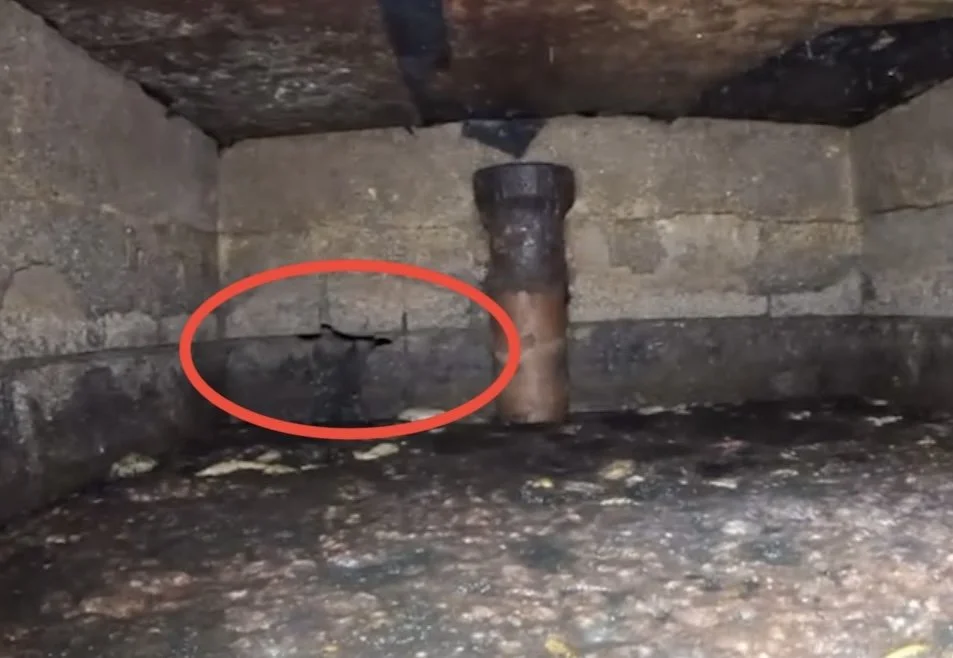
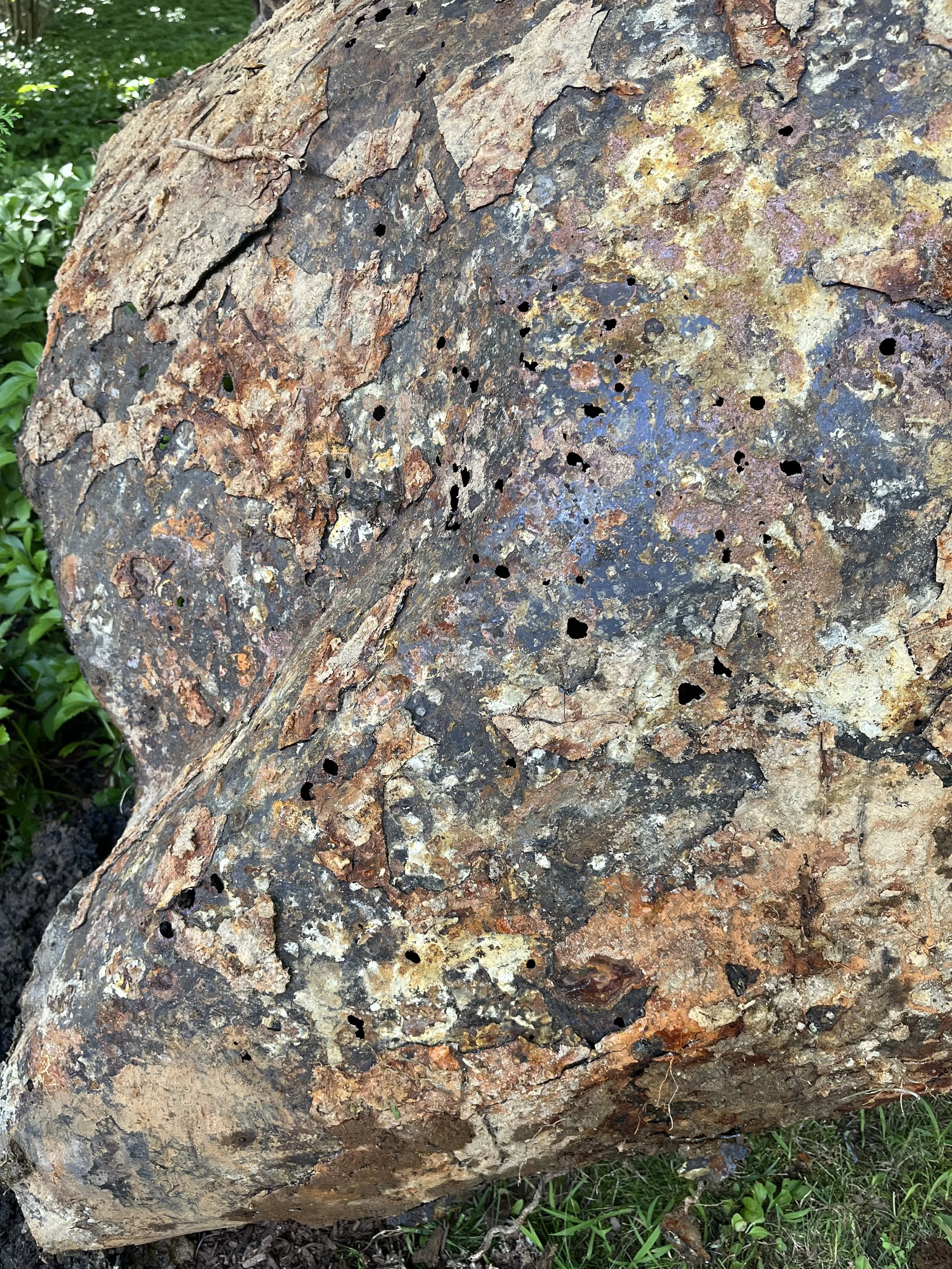
According to our research with public records at the county’s Department of Health, there are at least 12 homes in the RBL watershed made from either metal or cinder block. You can easily check to see if your home is one of them by reviewing the gold-colored form a septic pumping company gives you after they pump your tank. If you can’t find it, or want other assistance, please feel free to contact us at FundForRBL@gmail.com.
If you are interested in helping us expand the scope of our Septic Improvement Program, please consider making a tax-deductible donation to our nonprofit. If you wish, you can tag your donation to go to the Septic Improvement Program. You can donate through our website or contact our treasurer, Kate Cunningham.
Want to learn more about RBL’s septic situation? Read on!
Ideally, appropriate soil for a septic field will have 18 inches of loamy topsoil; unfortunately, there is virtually no land in the RBL district that fits that description. Even if older septic fields were originally functioning well, by now the soil’s binding capacity for phosphorous is saturated and it is leaking into the lake. Making matters worse, many RBL lakefront homes don’t have fields - they were built with seepage pits or cesspools.
In 2016, the Town of Putnam Valley passed a law mandating that all homes in the Roaring Brook Lake District pump out their septic tanks every five years. Starting in 2017, district residents saw septic trucks winding their way around the lake multiple times a week. Our Lake Manager, A.J. Reyes, was impressed by the positive impact of that surge of septic pumping on the quality of our lake.
The Fund for RBL regularly asks the Town to provide information about compliance with the pumping law. The last time we checked, about 20 homes out of about 300 in the district were not in compliance. The initial fine can be as much as $500; subsequent fines can rise to $1,500.
Our research indicates that pumping tanks every three years is considered “best practice” and would be even more advantageous to our community, especially given that our septic fields drain into our lake. According to the NYS Department of Health, “A septic tank should be pumped out every two to three years.”
As a starting point, we encourage RBL residents to pump at least at the required five year interval and to encourage their neighbors to do so as well. If homeowners can afford it, and, especially if their home is right on the lake, we hope they will consider pumping every three years.
Septic Issues
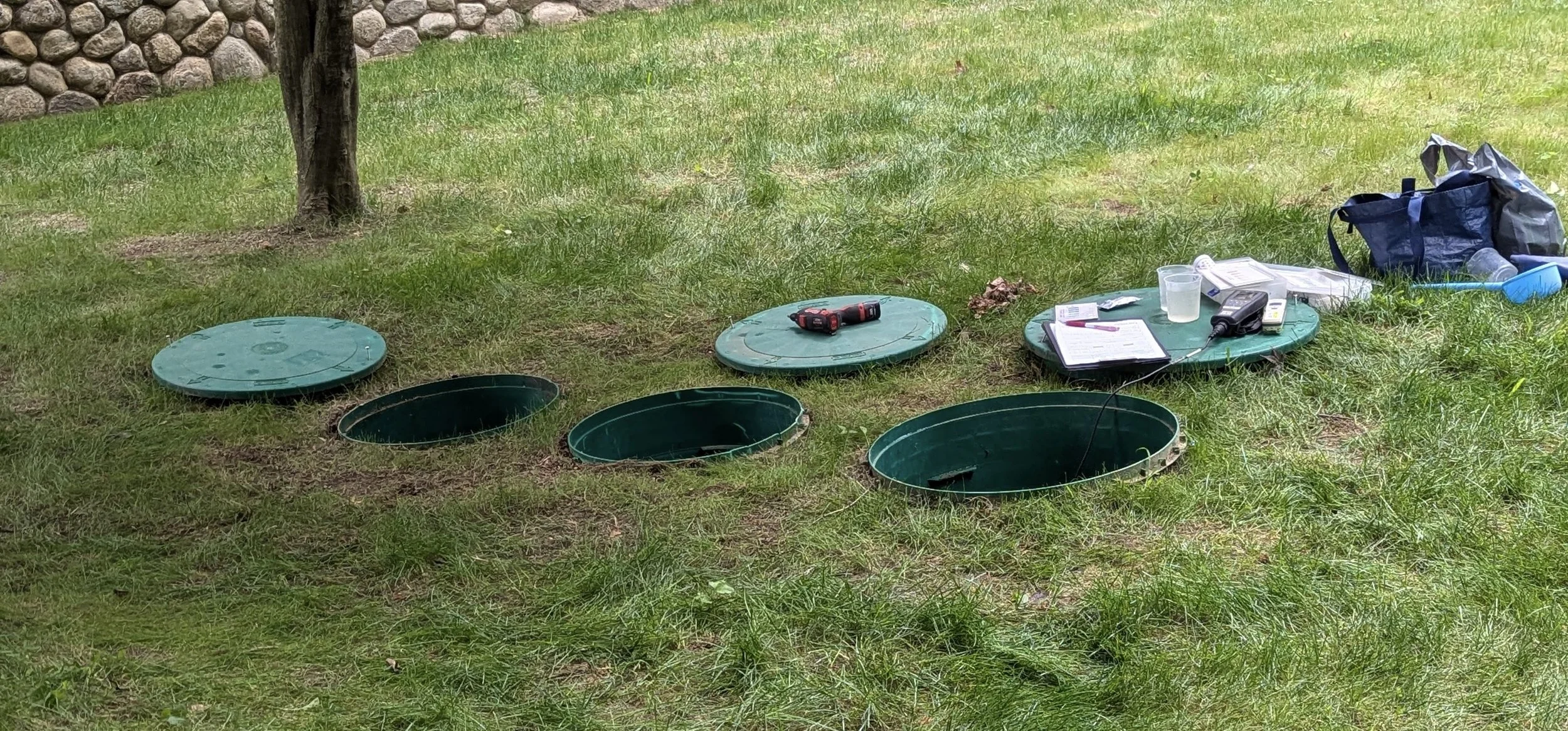
FujiClean installation of a CRX model in Kent